Free Shipping When Buying 3 Or More Packs



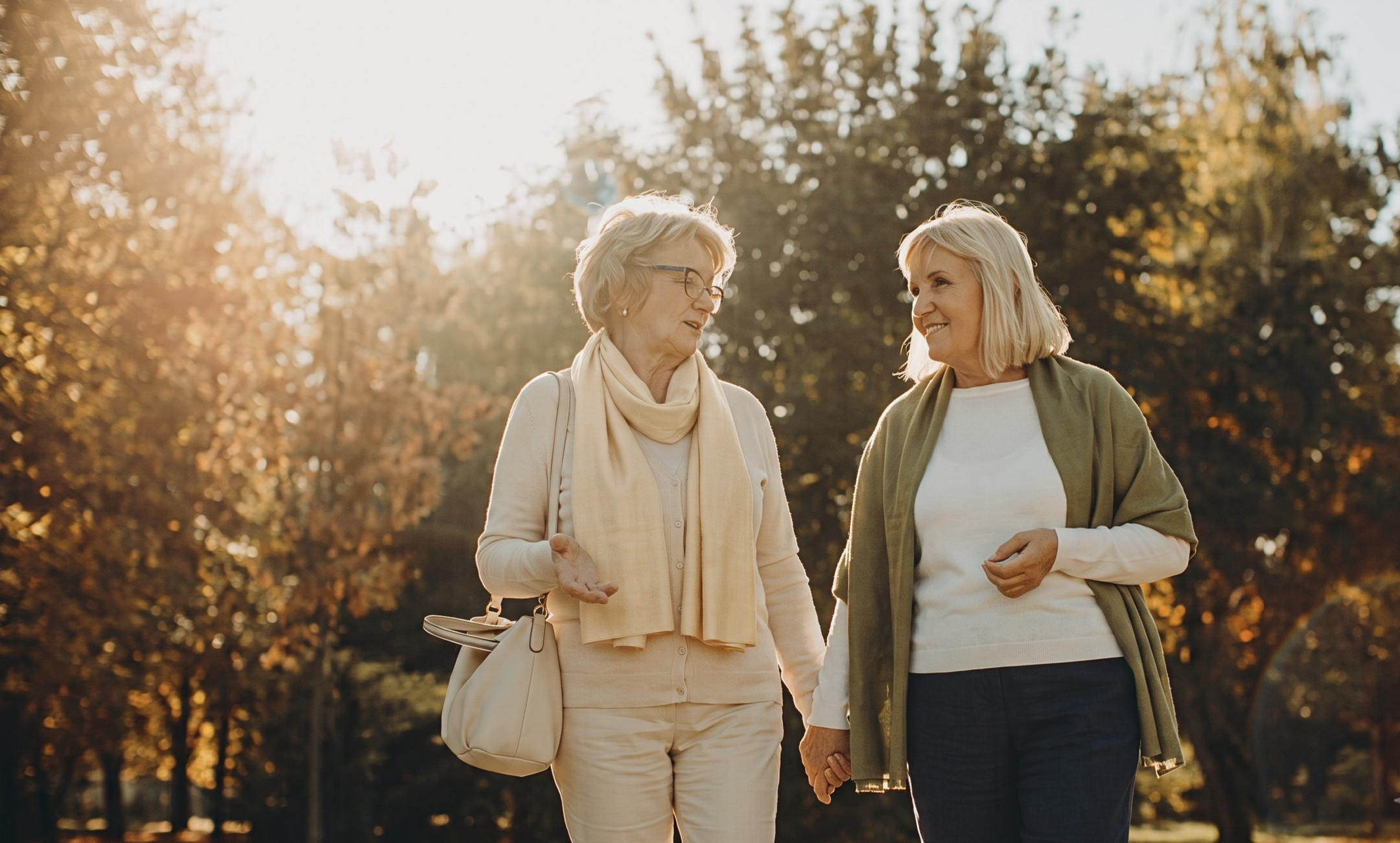
In Conversation: Finding Love Again After Breast Cancer
Every woman who sits down with me has a different story, and today it's Hannah's.
After breast cancer treatment brought on early menopause, she found herself dealing with vaginal dryness and all the changes that came with it. Years later, just as she was beginning a new relationship, those symptoms became more than a physical frustration. They started affecting her confidence and making her question whether she could fully enjoy this new chapter of her life.
When I sat down with Hannah, I wanted to understand what that experience had really been like, from the moments she kept to herself to the conversations she eventually had with her partner.
What followed was an open conversation about intimacy, confidence, and the small changes that helped Hannah feel like herself again.
I'm grateful Hannah was willing to share her experience, and I hope her story helps anyone who's ever wondered if these changes are simply something they have to accept.
When Everything Changed Earlier Than Expected
Samantha:
Let's start at the beginning. Your experience with menopause came much earlier than most women expect. Can you tell us what happened?
Hannah:
It really wasn't something I saw coming.
I'd been through IVF in my thirties, and then a few years later I was diagnosed with breast cancer. After my treatment, I was prescribed Tamoxifen, and that's what brought on menopause.
Like a lot of women, I had hot flushes, but eventually those settled down.
The vaginal dryness didn't.
Some days it was so uncomfortable that even walking the dogs could be painful. It wasn't only something I noticed during intimacy. It became part of everyday life.
At that point, I wasn't in a relationship, so I just accepted it. I honestly thought, "Well, I suppose this is just how life is now."
Samantha:
At what point did you realise those symptoms were affecting more than your physical comfort?
Hannah:
When I met Mark.
Suddenly something I'd been putting up with became impossible to ignore.
Starting a new relationship should have been exciting, but instead I found myself worrying.
I worried about the dryness.
I worried about intimacy being painful.
I worried about having to stop and reach for lubricant.
I even worried about how I smelled because everything felt so different.
Mark was incredibly kind and understanding, but that didn't stop me feeling embarrassed.
There were times I wondered whether I was ever going to feel completely comfortable in a relationship again.

Samantha:
Did those worries stay around intimacy, or did they begin affecting other parts of your relationship too?
Hannah:
They definitely spread into everyday life.
I became much less affectionate.
I'd stop myself from hugging or kissing Mark because I didn't want him to think I was leading to something that I knew might become uncomfortable.
He actually asked me one day, "You're not as affectionate anymore. Is something wrong?"
That conversation was really important because it helped him understand what I was going through.
It wasn't that I didn't want to be close to him.
I was trying to avoid the anxiety that came with it.
Looking for Another Option
Samantha:
What made you decide to look for something different?
Hannah:
Because of my breast cancer, hormones weren't an option for me.
I'd been using lubricants, and while they helped in the moment, I still felt like I was managing the symptoms rather than improving them.
Then I came across HydraHer.
I liked that it was hormone-free, so I decided to try it.
I noticed a difference quite quickly.
These days I simply take two tablets every morning. It's become part of my routine, just like brushing my teeth.

More Than Physical Comfort
Samantha:
What changed once you started feeling more comfortable?
Hannah:
The biggest change wasn't only physical.
I stopped thinking about it all the time.
That constant worry disappeared.
Because I wasn't anxious anymore, I became affectionate again.
We could hug without me overthinking it.
We could kiss without me worrying about what might happen next.
Those little moments that had quietly disappeared started coming back.
I hadn't realised how much vaginal dryness had been influencing my behaviour until it wasn't anymore.
Samantha:
Looking back now, what's the biggest lesson you've taken from this experience?
Hannah:
That you shouldn't assume you just have to live with it.
I really thought I'd lost that part of myself.
Now I'd honestly say I've got my mojo back.
It's not only about intimacy.
It's about feeling confident again.
It's about enjoying a relationship without constantly worrying.
It's about feeling like me again.
If another woman is going through what I went through, I'd tell her not to suffer in silence.
Talk about it.
Ask questions.
There may be options you haven't discovered yet.
A Final Thought
One sentence from Hannah has stayed with me ever since we finished talking.
"I've got my mojo back."
I smiled when she said it, but the more I thought about it, the more I realised it wasn't really about intimacy at all.
It was about getting back the confidence to hug someone without hesitation. To enjoy a kiss without worrying about what might happen next. To begin a new relationship without feeling like menopause had already decided how that story would end.
Hannah's experience won't be the same as everyone else's, but I hope it reminds you of one important thing: vaginal dryness isn't something you simply have to accept because you've reached menopause.
If any part of Hannah's story feels familiar, I hope it encourages you to start the conversation, explore the support available to you, and remember that it's never too late to feel comfortable in your own body again.
